Artwork Format: Digital

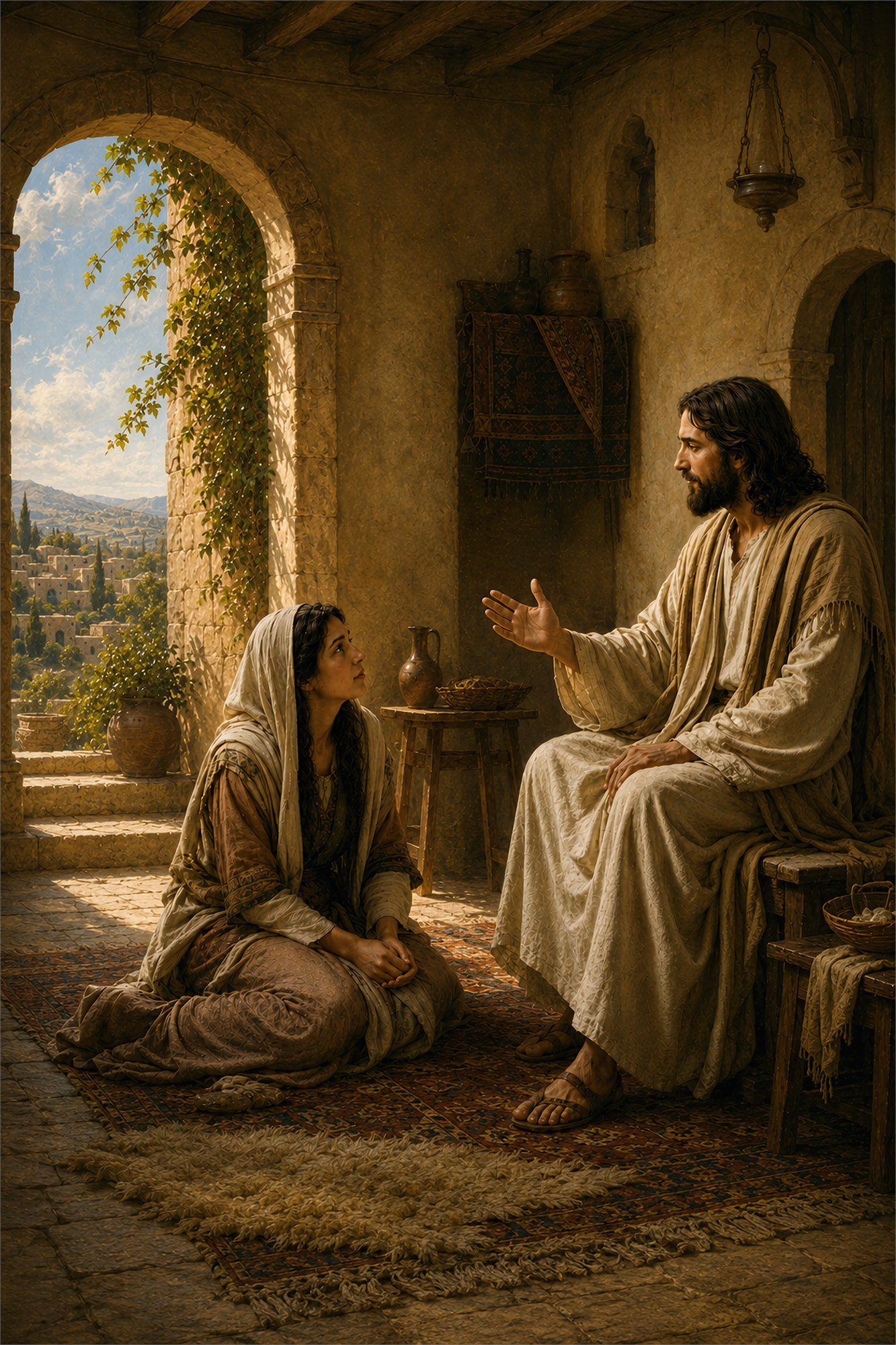
  • At His Feet

    At His Feet

    Again and again in the Gospels, people come near to Jesus carrying grief, gratitude, need, repentance, or worship.

    At His Feet captures that posture of nearness and surrender. The focus is not on achievement or spectacle, but on the simple act of drawing close to Christ.

    The scene invites reflection on the many moments in Scripture when faith expresses itself by coming to Jesus, listening to him, and entrusting oneself to his mercy.

    Scripture focus: Luke 10:38–42; John 12:1–8
  • The Last Supper — Sacred Stillness

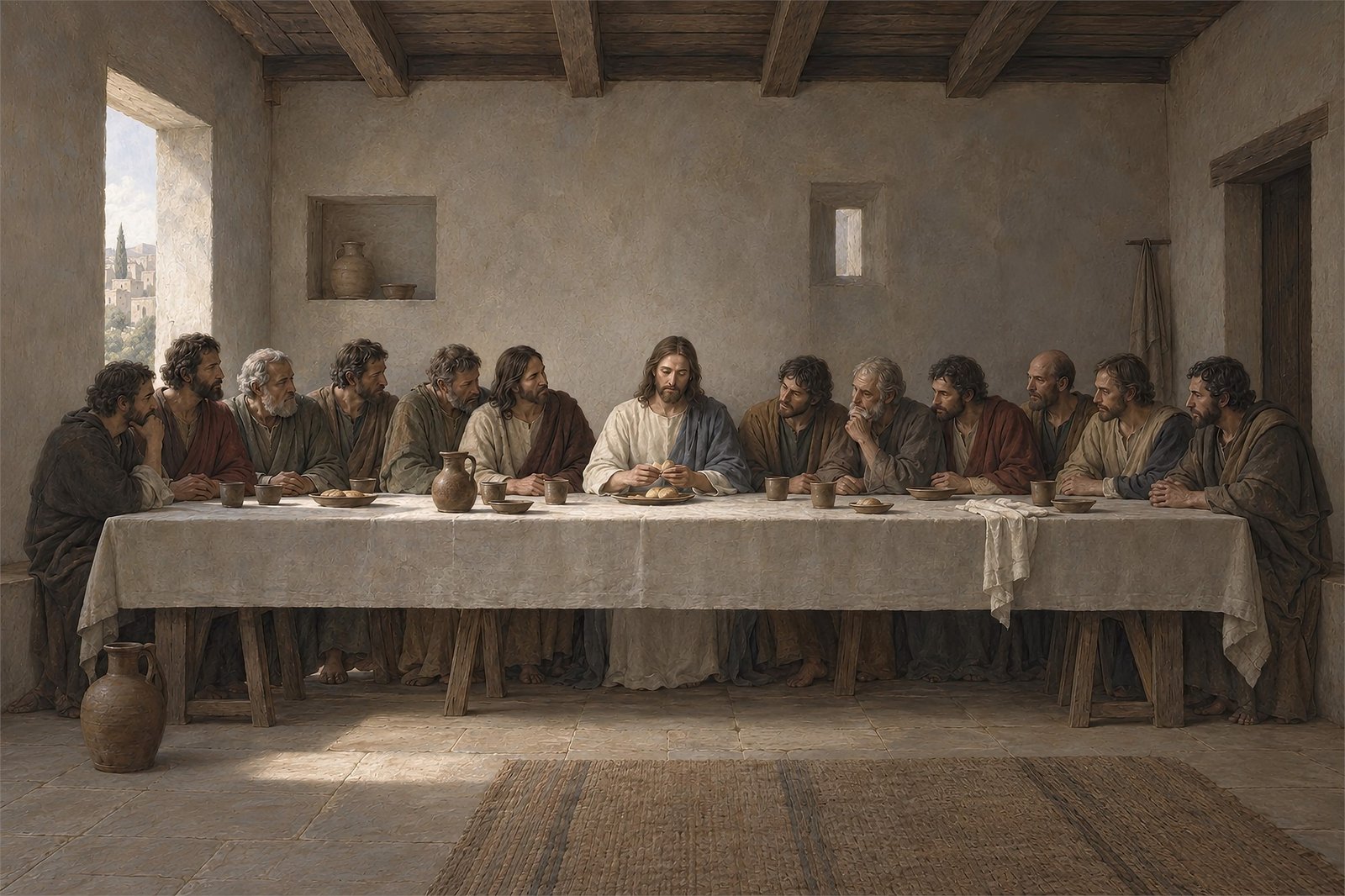
    The Last Supper — Sacred Stillness

    The Last Supper holds together fellowship, sorrow, promise, and approaching betrayal.

    Sacred Stillness approaches the familiar scene with restraint, allowing the table and gathered disciples to carry the emotional weight of the moment. Jesus shares bread and wine with those closest to him while the shadow of the cross draws near.

    Within that room, an ordinary meal becomes inseparable from remembrance, covenant, sacrifice, and the hope of the kingdom still to come.

    Scripture focus: Luke 22:14–20

  • Jesus Washing Peter’s Feet

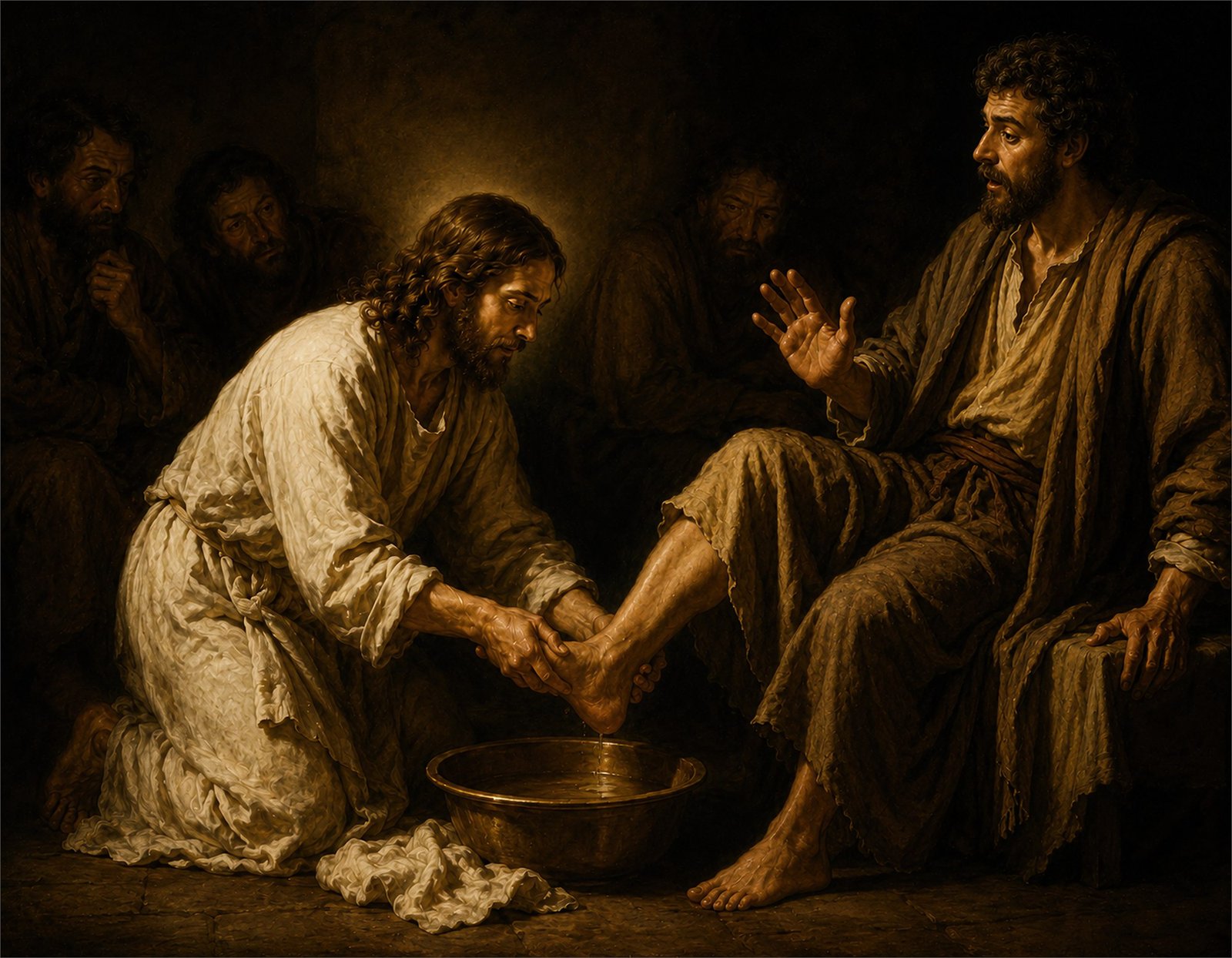
    Jesus Washing Peter’s Feet

    On the night before the crucifixion, Jesus knelt before his disciples and performed the work of a servant.

    Jesus Washing Peter’s Feet reflects the tension of John 13: Peter’s resistance, Christ’s humility, and the startling reversal of greatness displayed by the Lord himself.

    The scene points beyond an act of kindness toward the shape of Christian discipleship. The One who rightly receives worship chose the basin and towel, then told his followers to learn from what he had done.

    Scripture focus: John 13:1–17

  • Road to Emmaus

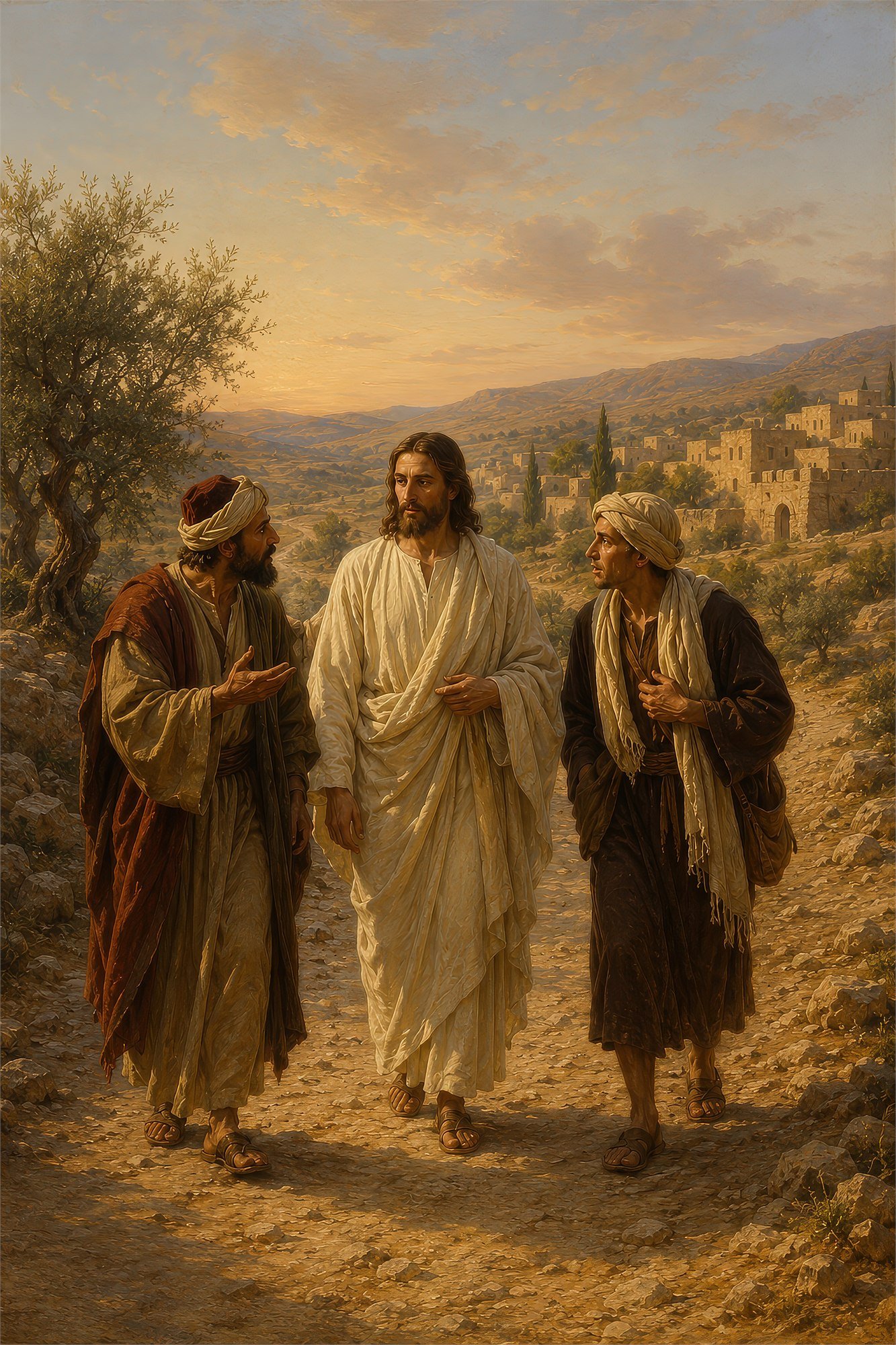
    Road to Emmaus

    Two disciples walked away from Jerusalem carrying disappointment, confusion, and grief. Then a stranger joined them on the road.

    Road to Emmaus reflects the remarkable story of Luke 24, where the risen Christ walks beside his disciples before they recognize him. Their understanding unfolds slowly—through conversation, Scripture, hospitality, and finally the breaking of bread.

    The scene captures one of the quiet wonders of the resurrection story: Christ was nearer than they knew.

    Scripture focus: Luke 24:13–35

  • Still Waters

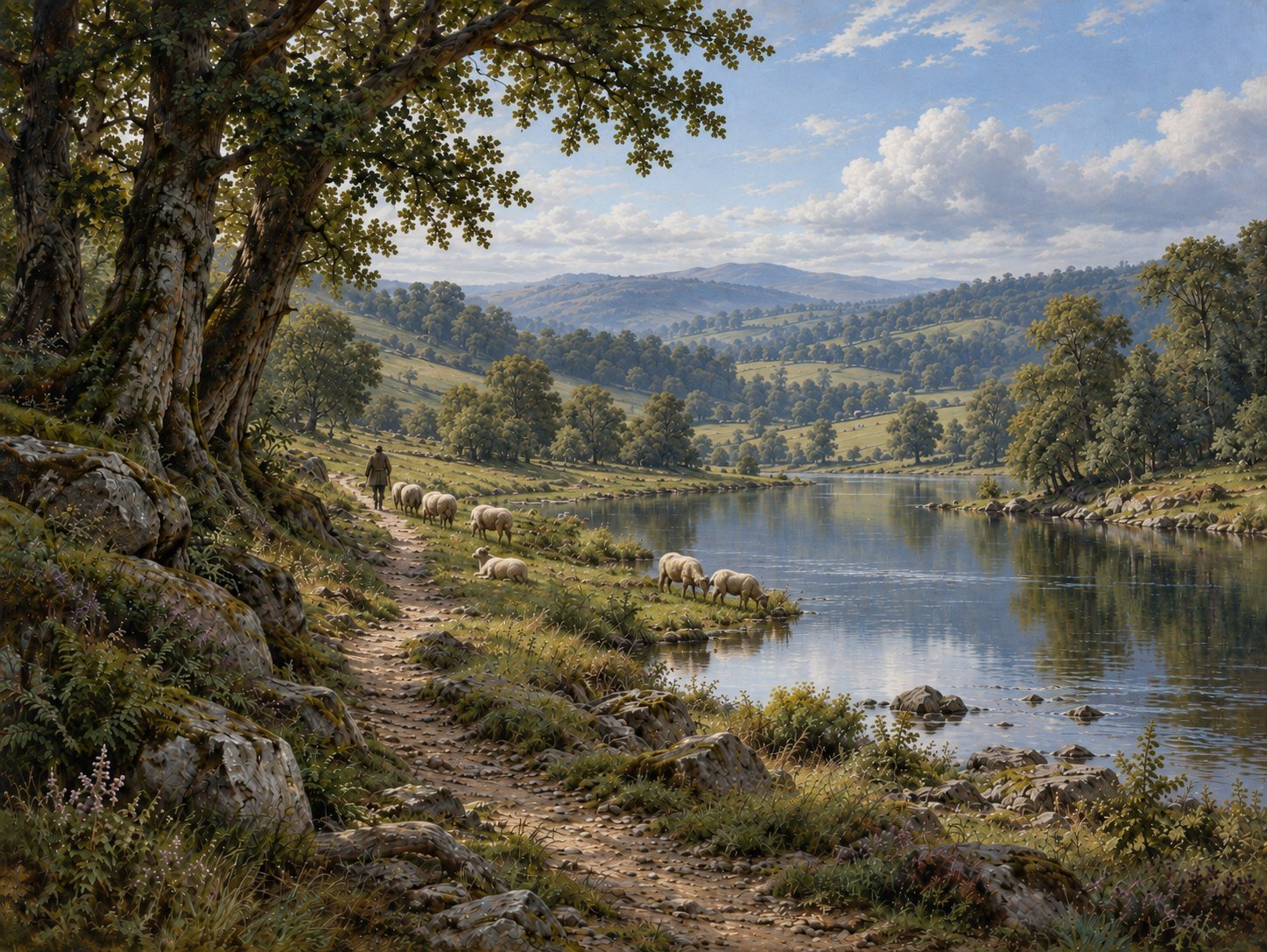
    Still Waters

    Psalm 23 does not promise a life without valleys. It gives us something better: the presence and guidance of the Shepherd within them.

    Still Waters draws from the quiet imagery of Psalm 23:1–3, where green pastures and restful waters become signs of God’s sustaining care. The landscape is meant to feel spacious and unhurried—a visual reminder that biblical rest is not escape from reality, but trust in the One who leads.

    The stillness of the scene invites the viewer to linger over the simple confession: the Shepherd is present, and his care is enough.

    Scripture focus: Psalm 23:1–3

  • It Is Finished

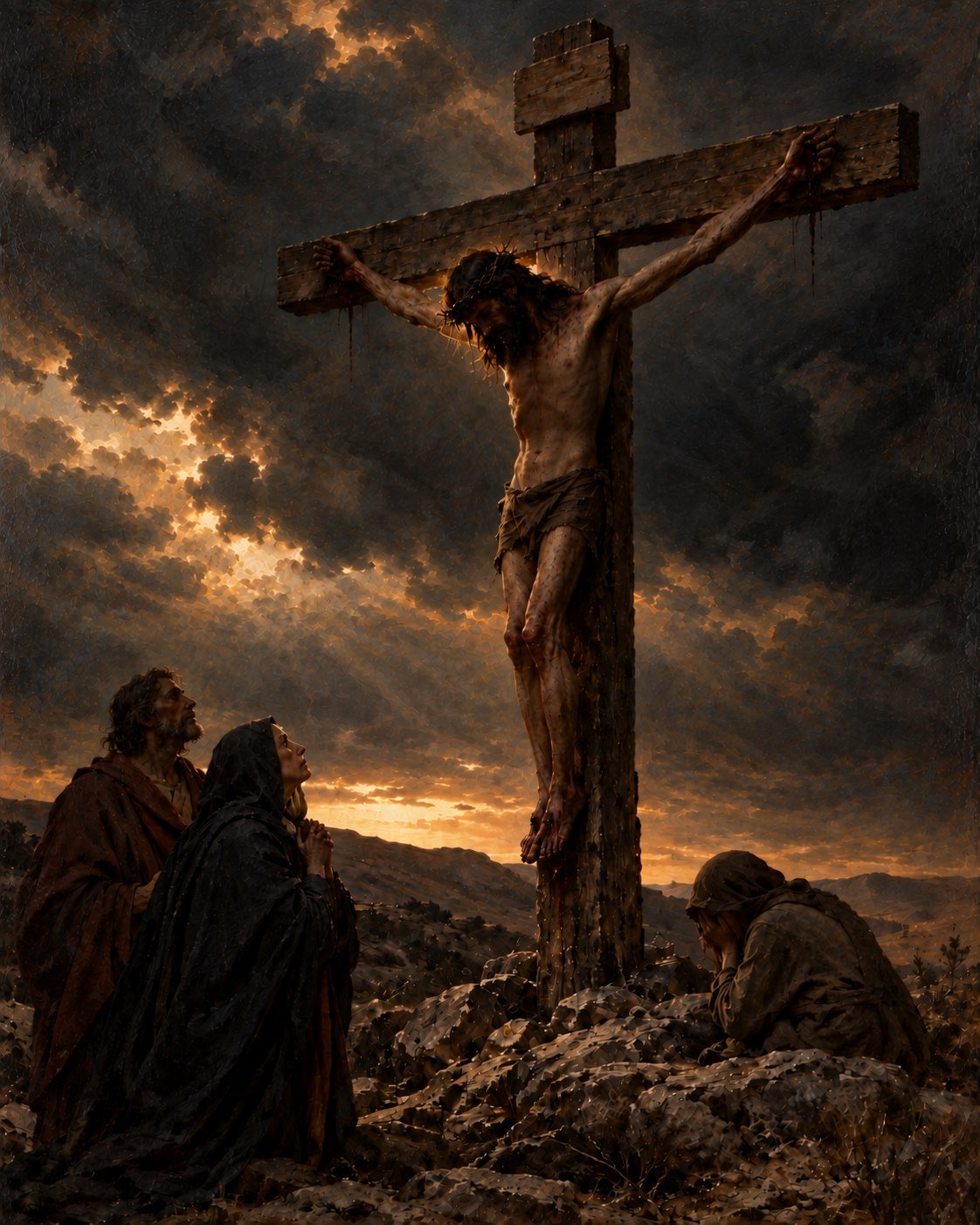
    It Is Finished

    The crucifixion confronts us with both the terrible cost of sin and the astonishing depth of divine love.

    It Is Finished dwells in the solemnity of Christ’s final moments, resisting spectacle in favor of weight, stillness, and reverence. The scene points toward the words recorded in John 19:30—not as words of defeat, but as the declaration that the work given to the Son had been brought to completion.

    This is an image of suffering, but not of hopelessness. Even at the cross, the story is moving toward resurrection.

    Scripture focus: John 19:28–30